
Where to Buy Ecstasy Pills Online
Looking for Where to Buy your Ecstasy Pills Online? Search no more. We also supply in bulk and wholesale. Just DM us for details.
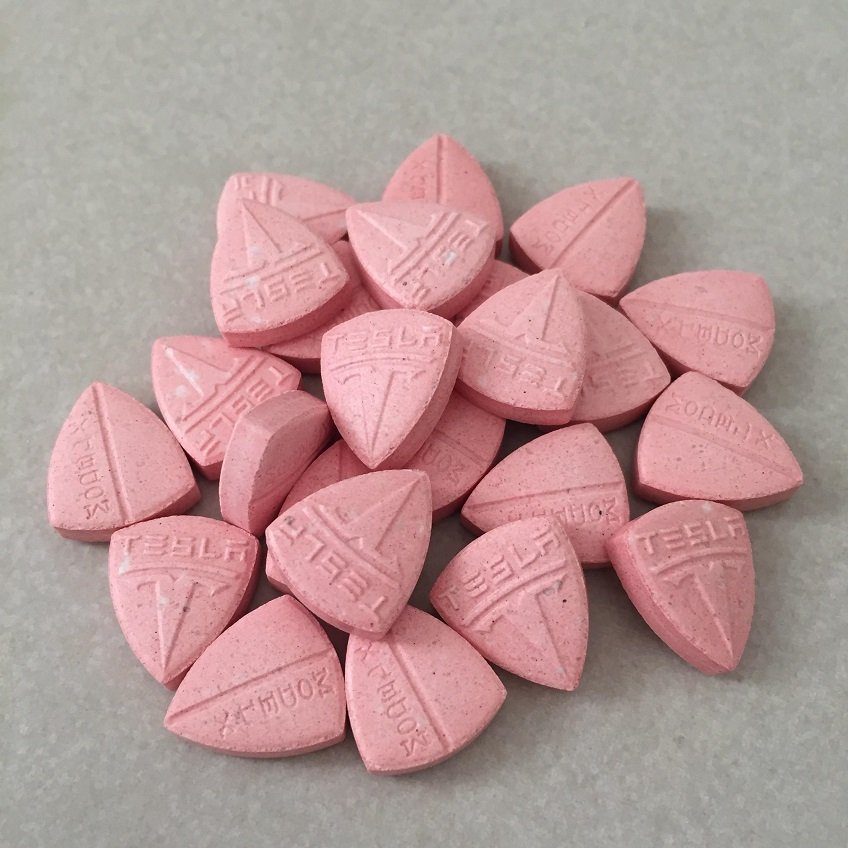
Ecstasy is often discussed as though it refers to a single substance, but ecstasy tablets are better understood as a category of pressed products with shifting chemical content. In many cases, ecstasy contains MDMA, yet the term “ecstasy” does not guarantee consistency.
This distinction is important. The experience associated with ecstasy depends not only on MDMA but also on whatever else may be present in the tablet. As a result, ecstasy is defined as much by uncertainty as by its intended effects.

What Defines Ecstasy Tablets
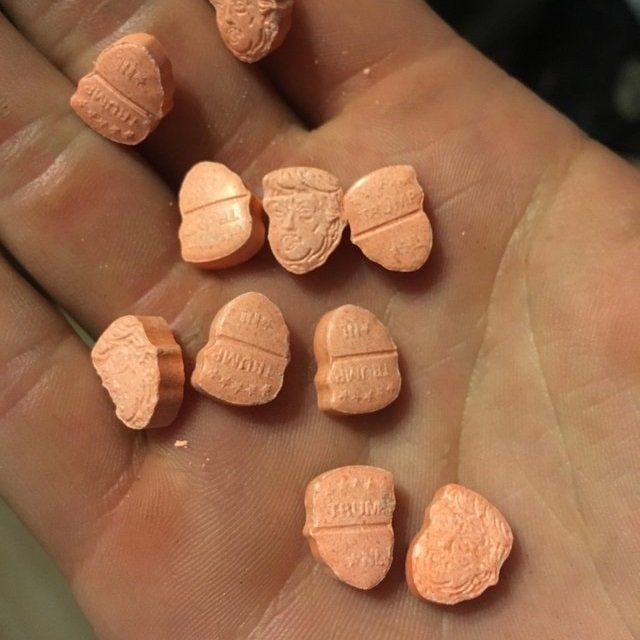
Ecstasy tablets are typically compressed pills designed for oral use. What makes ecstasy different from other forms is not just the format, but the variability in composition.
Key characteristics of ecstasy include:
- Lack of standardized dosing
- Possible inclusion of multiple active substances
- Visual branding (logos, colors) that does not reflect contents
Because ecstasy tablets are produced without regulation, two batches of ecstasy can differ significantly even if they look identical.
How Ecstasy Influences Brain Chemistry
When ecstasy contains MDMA, the effects are largely driven by changes in neurotransmitter activity.
Ecstasy increases the release of:
- Serotonin, shaping mood and emotional perception
- Dopamine, contributing to reward sensations
- Norepinephrine, affecting alertness and physical energy
The way ecstasy alters these systems explains why users often report emotional openness alongside physical stimulation. However, the brain must later rebalance these chemicals, which can influence how someone feels after ecstasy use.
Experiences Commonly Linked to Ecstasy
The subjective effects of ecstasy are often described in emotional and sensory terms.
Psychological Effects of Ecstasy
- Heightened sense of connection
- Increased sociability
- Reduced social anxiety
- Elevated mood
Physical Responses to Ecstasy
- Faster heart rate
- Increased body temperature
- Muscle tension, especially in the jaw
- Sweating
Not all ecstasy experiences are positive. Because ecstasy tablets vary, reactions can differ widely from person to person.
Why Ecstasy Is Inherently Unpredictable
The biggest challenge with ecstasy is inconsistency. Unlike regulated substances, ecstasy tablets do not follow fixed formulations.
Variability in Ecstasy Strength
Some ecstasy tablets contain higher concentrations than expected, increasing the likelihood of adverse effects.
Unknown Additives in Ecstasy
Ecstasy may include additional compounds that alter or intensify its impact.
Timing and Redosing
Ecstasy can take time to produce noticeable effects. Taking more ecstasy too soon increases the risk of overexposure.
Immediate Health Concerns Associated With Ecstasy
Ecstasy can place stress on the body, especially in environments that amplify its effects.
Common concerns linked to ecstasy include:
- Elevated body temperature in crowded spaces
- Fluid imbalance related to hydration
- Episodes of anxiety or confusion
In more severe cases, ecstasy use may lead to complications requiring urgent medical care.
After-Effects of Ecstasy Use
Following the primary phase, ecstasy can leave temporary after-effects as the brain adjusts.
Reported experiences after ecstasy include:
- Low energy
- Mood changes
- Reduced concentration
These effects are often tied to shifts in serotonin levels after ecstasy has worn off.
Long-Term Considerations Around Ecstasy
Repeated exposure to ecstasy may influence several aspects of health.
Areas studied in relation to ecstasy include:
- Memory and cognitive function
- Sleep patterns
- Emotional regulation
The extent of these effects varies, but frequency and dosage of ecstasy play an important role.
Ecstasy Compared to Other MDMA Forms
Ecstasy tablets are often compared to other presentations associated with MDMA.
- Ecstasy tablets: compressed, variable content
- Powder or capsules: sometimes marketed as more consistent
However, ecstasy and other forms share the same underlying issue—lack of guaranteed purity.
Legal Status of Ecstasy
Ecstasy is classified as a controlled substance in many parts of the world. Laws surrounding ecstasy typically prohibit possession, distribution, and production.
Because ecstasy is linked to broader drug control policies, penalties can be significant depending on jurisdiction.
Public Health View on Ecstasy
From a public health standpoint, ecstasy presents challenges due to its variability. Healthcare providers often cannot identify what a specific ecstasy tablet contains, which complicates treatment.
Efforts around ecstasy focus on:
- Education about risks
- Monitoring emerging substances
- Encouraging early medical intervention when needed
Common Misconceptions About Ecstasy
“All ecstasy is the same”
Ecstasy tablets vary widely in composition.
“Appearance indicates quality”
Logos and colors on ecstasy do not reflect chemical content.
“Ecstasy only affects mood”
Ecstasy impacts multiple systems, including cardiovascular and neurological functions.
Final Thoughts on Ecstasy
Ecstasy is not defined solely by MDMA but by the variability of the tablets themselves. This unpredictability shapes both the experiences and the risks associated with ecstasy use.
Understanding ecstasy requires looking beyond expectations and focusing on what is actually known: inconsistent composition, complex brain effects, and a wide range of possible outcomes.
Further reading
- William James, “Varieties of Religious Experience”, 1902.
- Milan Kundera on ecstasy: a quote from Milan Kundera’s book “Testaments Betrayed” (1993)
- Marghanita Laski, “Ecstasy. A study of some Secular and Religious Experiences”, London, Cresset Press, 1961. Review
- Marghanita Laski, “Everyday Ecstasy”, Thames and Hudson, 1980. ISBN 0-500-01234-2.
- Evelyn Underhill, “Mysticism”, 1911. ch. 8
- Timothy Leary, “The Politics of Ecstasy”, 1967.