
Buy Ketamine Online – Ketamine Powder
Buy Ketamine Powder and crystal Online. Explore the definitive 2026 guide to Ketamine Therapy.
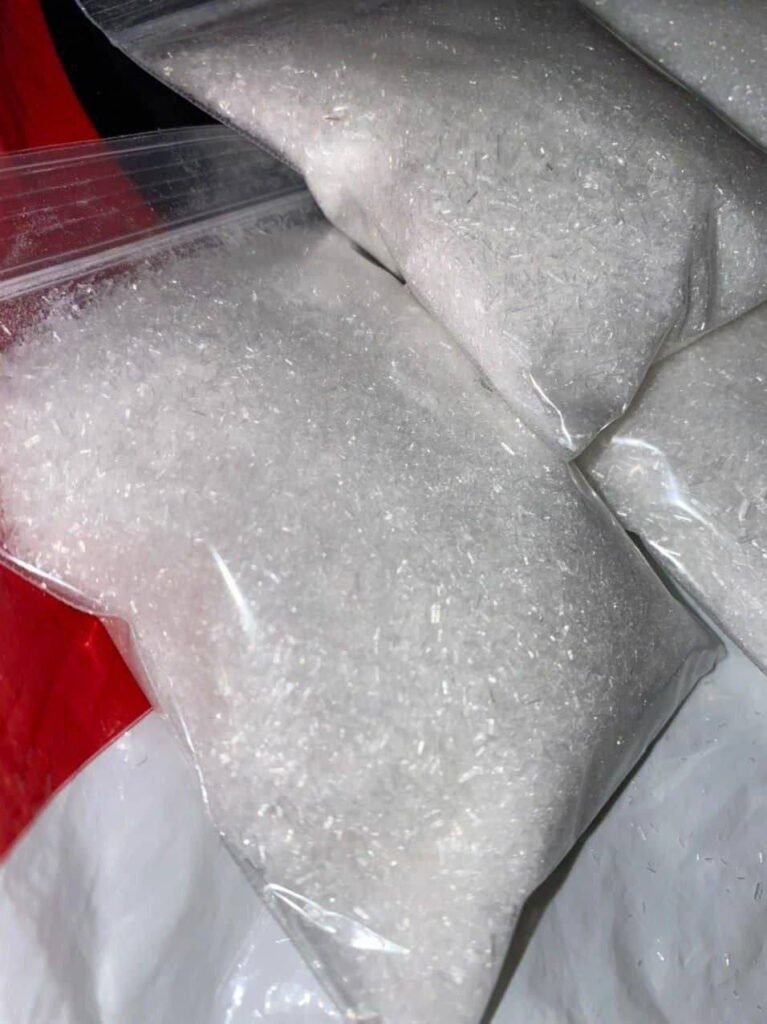
For decades, the world of psychiatry relied on SSRIs and SNRIs—medications that often took weeks to work and failed nearly one-third of patients. Today, in 2026, Ketamine Therapy has officially moved from the fringes of “alternative medicine” to a cornerstone of interventional psychiatry.
Whether you are exploring Spravato (Esketamine) for treatment-resistant depression or considering IV Ketamine infusions for chronic pain, understanding the science, safety, and specialized protocols is essential.
1. What is Ketamine? From Anesthesia to Antidepressant
Ketamine was first synthesized in 1962 and approved by the FDA as an anesthetic in 1970. Its primary role for decades was in emergency rooms and battlefields due to its unique “dissociative” properties—it provides powerful pain relief without suppressing the respiratory system.
The Paradigm Shift
In the early 2000s, researchers at Yale discovered something remarkable: sub-anesthetic doses of ketamine could lift suicidal ideation and severe depression within hours. Unlike traditional antidepressants that target Serotonin, ketamine targets Glutamate, the brain’s most abundant chemical messenger.
2. How Ketamine Works: The Science of Neuroplasticity
To understand why ketamine works when other drugs fail, we have to look at the NMDA receptor.
The Glutamate Surge
Ketamine acts as an NMDA receptor antagonist. By blocking these receptors, it triggers a “glutamate surge,” which in turn activates the mTOR pathway. This pathway is responsible for synaptogenesis—the physical regrowth of neural connections in the prefrontal cortex that “wither” during chronic depression.
Visualizing the Change
Recent 2026 imaging studies from the YCU Advanced Medical Research Center have shown that ketamine literally rewires mood-regulating circuits. For a patient, this feels like a “biological reset button” for the brain’s stress response.
3. Administration Methods: Spravato vs. IV vs. Oral
One of the most common questions in 2026 is: How should I take it?
| Method | FDA Approved? | Pro | Con |
| IV Infusion | Off-label (standard) | 100% bioavailability; precise dosing. | Most expensive; requires IV needle. |
| Spravato (Nasal) | Yes (for TRD) | Often covered by insurance. | Lower absorption; requires clinic stay. |
| Oral/Troches | No | Can be done at home (prescribed). | Inconsistent absorption; higher risk of abuse. |
| Intramuscular | Off-label | Faster than IV setup; high efficacy. | Less “fine-tuned” than IV drip. |
The “Spravato” Factor
Spravato (Esketamine) remains the only form of ketamine therapy widely covered by insurance providers. However, because of the REMS (Risk Evaluation and Mitigation Strategy), it must be administered in a certified clinic where the patient is monitored for two hours.
4. Ketamine for Treatment-Resistant Depression (TRD)
If you’ve tried two or more antidepressants without success, you likely meet the criteria for Treatment-Resistant Depression.
- Speed: While Prozac takes 4–6 weeks, Ketamine often shows results in 4–24 hours.
- Suicidal Ideation: It is currently the most effective rapid-response tool for acute suicidal crisis.
- Success Rates: Clinical data shows up to a 70% response rate in patients who failed traditional meds.
5. Beyond Mood: Ketamine for Chronic Pain and PTSD
In 2026, the application of ketamine has expanded significantly.
Chronic Pain & CRPS
For conditions like Complex Regional Pain Syndrome (CRPS), fibromyalgia, and migraines, ketamine is used in much higher doses and longer infusion times (up to 4 hours). It works by “desensitizing” the central nervous system’s pain receptors.
PTSD and “The Moral Injury”
Ketamine allows patients with PTSD to revisit traumatic memories without the overwhelming emotional “heat” typically associated with them. This “dissociative buffer” makes it a perfect companion for trauma-focused psychotherapy.
6. The Importance of “Set and Setting”
Ketamine is not a “take a pill and go to work” medication. The Dissociative Experience—often called a “trip”—is considered by many clinicians to be a vital part of the healing process.
- Set: Your internal mindset. Are you going in with an intention?
- Setting: The clinic environment. Is it quiet? Is there music? Are you wearing an eye mask?
- Integration: The most critical step. Talking to a therapist after the session to “weave” the insights into your daily life.
7. Side Effects and Safety Concerns
While generally safe in a clinical setting, ketamine is not without risks.
Short-Term Effects:
- Nausea and dizziness (often managed with Zofran).
- Dissociation (feeling detached from your body).
- Temporary spikes in blood pressure.
Long-Term Risks (The “K-Cramp” & Bladder Issues):
Heavy, frequent use—typically seen in recreational abuse—can lead to Ulcerative Cystitis (permanent bladder damage) and “K-cramps” (abdominal pain). In clinical settings with controlled doses, these risks are statistically very low.
8. Looking Ahead: The Future of Ketamine in 2026 and Beyond
As we move further into 2026, the “Psychedelic Renaissance” is hitting its stride. We are seeing:
- Hybrid Protocols: Combining Ketamine with MDMA-assisted therapy (pending final approvals).
- Digital Integration: Using VR (Virtual Reality) during infusions to guide the patient’s visual experience.
- Greater Access: More insurance companies are beginning to cover racemic (IV) ketamine as the evidence for its cost-saving potential (by reducing hospitalizations) becomes undeniable.
9. Conclusion: Is Ketamine Right for You?
Ketamine therapy is a powerful tool, but it is not a “magic bullet.” It works best as part of a holistic plan that includes therapy, lifestyle changes, and medical oversight.
If you are struggling with a “stuck” brain, 2026 offers more options than ever before. Consult with a board-certified psychiatrist or a specialized ketamine clinic to see if this breakthrough treatment is the key to your recovery.
References
- Morton IK, Hall JM (6 December 2012). Concise Dictionary of Pharmacological Agents: Properties and Synonyms. Springer Science & Business Media. pp. 159–. ISBN 978-94-011-4439-1. Archived from the original on 11 April 2017.
- “Ketamine (Ketalar) Use During Pregnancy”. Drugs.com. 22 November 2019. Archived from the original on 26 June 2020. Retrieved 18 May 2020.
- “Drug Scheduling”. U.S. Drug Enforcement Administration. Archived from the original on 8 April 2024. Retrieved 29 December 2023. Ketamine is listed in Schedule III.
- Huang M, Lin S (2020). “Ketamine Abuse: Past and Present”. Ketamine. pp. 1–14. doi:10.1007/978-981-15-2902-3_1. ISBN 978-981-15-2901-6.
- Bell RF, Eccleston C, Kalso EA (June 2017). “Ketamine as an adjuvant to opioids for cancer pain” (PDF). The Cochrane Database of Systematic Reviews. 6 (9) CD003351. doi:10.1002/14651858.CD003351.pub3. PMC 6481583. PMID 28657160. Archived (PDF) from the original on 12 January 2024. Retrieved 10 September 2018.
- Moyse DW, Kaye AD, Diaz JH, Qadri MY, Lindsay D, Pyati S (March 2017). “Perioperative Ketamine Administration for Thoracotomy Pain”. Pain Physician. 20 (3): 173–184. PMID 28339431.
- Mathew SJ, Zarate Jr CA (25 November 2016). Ketamine for Treatment-Resistant Depression: The First Decade of Progress. Springer. pp. 8–10, 14–22. ISBN 978-3-319-42925-0. Archived from the original on 8 September 2017.
- Brayfield A, ed. (9 January 2017). “Ketamine Hydrochloride: Martindale: The Complete Drug Reference”. MedicinesComplete. London, UK: Pharmaceutical Press. Archived from the original on 28 August 2021. Retrieved 24 August 2017.
- Kintz P (22 March 2014). Toxicological Aspects of Drug-Facilitated Crimes. Elsevier Science. pp. 87–. ISBN 978-0-12-416969-2. Archived from the original on 8 September 2017.
- Marland S, Ellerton J, Andolfatto G, Strapazzon G, Thomassen O, Brandner B, et al. (June 2013). “Ketamine: use in anesthesia”. CNS Neurosci Ther. 19 (6): 381–9. doi:10.1111/cns.12072. PMC 6493613. PMID 23521979.
- Hashimoto K (October 2019). “Rapid-acting antidepressant ketamine, its metabolites and other candidates: A historical overview and future perspective”. Psychiatry and Clinical Neurosciences. 73 (10): 613–627. doi:10.1111/pcn.12902. PMC 6851782. PMID 31215725.