
Buy Crystal Meth Online
Buy Crystal Meth Online. A comprehensive guide to crystal meth covering brain science. Crystal methamphetamine for sale.
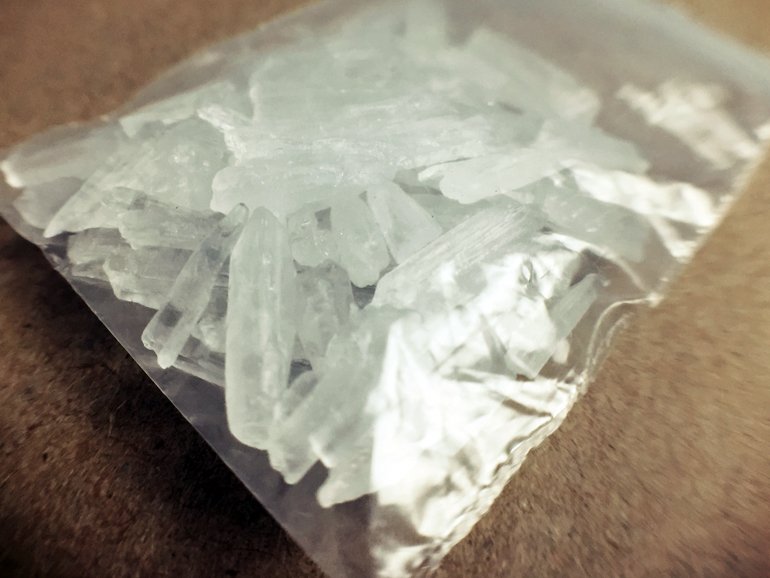
Why Crystal Meth Is Different
Crystal methamphetamine—often called “crystal meth” or “ice”—isn’t just another stimulant. Its impact cuts across biology, behavior, and society in unusually intense ways. Rather than treating it as a single-issue topic, it’s more useful to understand crystal meth as a system of effects: what it does to the brain, how it reshapes habits and environments, and why recovery can be difficult but possible.
This article takes a big-picture approach—linking neuroscience, psychology, and public health—to explain what crystal meth is, how it works, the risks it poses, and what evidence-based recovery looks like.
What Is Crystal Meth, Chemically Speaking?
Methamphetamine is a synthetic stimulant derived from amphetamine. In its crystalline form, it is typically smoked or injected, which allows the drug to reach the brain very rapidly.
Key characteristics:
- Highly lipid-soluble (crosses the blood–brain barrier quickly)
- Long-lasting compared to many stimulants
- Strong effects on dopamine pathways
This combination—fast entry and long duration—helps explain why its effects can feel intense and why patterns of repeated use can develop.
A Brain Under Meth: What Changes and Why It Matters
Most explanations stop at “it increases dopamine.” That’s true—but incomplete. Crystal meth alters several interacting systems:
1) Dopamine Surge and Reinforcement
Meth triggers a large release of dopamine, the neurotransmitter associated with reward and motivation. It also blocks dopamine reuptake, prolonging the signal. The result is a powerful reinforcement loop: the brain tags the experience as highly important.
2) Serotonin and Mood Regulation
Serotonin levels can also be affected, influencing mood, sleep, and emotional stability. Disruptions here contribute to the “crash” that follows use.
3) Norepinephrine and the Stress Response
Elevated norepinephrine increases alertness and physical arousal—raising heart rate and blood pressure. Over time, this can strain the cardiovascular system.
4) Neurotoxicity and Adaptation
Repeated exposure is associated with changes in neural structure and function, especially in regions linked to memory, decision-making, and impulse control. The brain adapts—often in ways that make stopping harder.
Patterns of Use: Why Behavior Shifts Over Time
People don’t typically start with severe patterns. What changes is the interaction between the drug and daily life.
- Early phase: Increased energy, focus, and reduced appetite
- Middle phase: Sleep disruption, irritability, narrowing of interests
- Later phase: Compulsive use, neglect of responsibilities, social withdrawal
This progression is not inevitable for everyone, but it’s common enough to shape how clinicians and public health workers approach prevention and care.
Short-Term Effects: More Than a “High”
Immediate effects can include:
- Intense wakefulness and reduced fatigue
- Elevated heart rate and blood pressure
- Decreased appetite
- Heightened confidence or talkativeness
But short-term risks can escalate quickly:
- Overheating (hyperthermia)
- Dehydration
- Anxiety, agitation, or panic
- Risky decision-making
Because crystal meth can mask fatigue and hunger, people may push their bodies beyond safe limits without realizing it.
Longer-Term Risks: Health, Cognition, and Behavior
Physical Health
- Cardiovascular strain (including risk of arrhythmias)
- Dental problems (“meth mouth”) linked to dry mouth and hygiene changes
- Skin issues due to repetitive picking or poor healing
Cognitive and Emotional Effects
- Memory and attention difficulties
- Increased anxiety or depression
- Paranoia or, in some cases, psychosis
Sleep Disruption
Chronic sleep loss amplifies nearly every other risk—affecting mood, immunity, and decision-making.
Why Crystal Meth Can Be Hard to Quit
Several factors interact:
- Neuroadaptation: The brain becomes less responsive to natural rewards.
- Environmental cues: Places, people, or routines can trigger strong urges.
- Emotional regulation: The drug may have been used to cope with stress or trauma.
Stopping isn’t just about willpower—it often requires rebuilding multiple systems: sleep, nutrition, coping skills, and social support.
Public Health Perspective: Beyond the Individual
Crystal meth use affects communities as well as individuals:
- Healthcare systems: Increased demand for emergency and long-term care
- Workplaces: Productivity loss and safety concerns
- Families: Strain on relationships and caregiving
Effective responses tend to combine prevention, treatment access, and community-based support rather than relying on a single approach.
Evidence-Based Treatment Approaches
There is no single “cure,” but several strategies have strong evidence:
1) Behavioral Therapies
- Cognitive Behavioral Therapy (CBT)
- Contingency management (reward-based programs)
These approaches help people recognize triggers, build coping skills, and reinforce healthier behaviors.
2) Structured Support
- Outpatient programs
- Residential treatment (for more intensive needs)
- Peer support groups
Consistency and structure can stabilize routines and reduce relapse risk.
3) Addressing Co-Occurring Issues
Treating anxiety, depression, or trauma alongside substance use often improves outcomes.
Harm Reduction: Reducing Risk in the Real World
While abstinence is the safest option, harm reduction focuses on practical steps that lower risk:
- Avoid mixing substances
- Pay attention to hydration and temperature
- Prioritize sleep when possible
- Seek medical help early if symptoms escalate
These strategies don’t eliminate risk, but they can prevent severe complications.
Prevention: What Actually Helps
Prevention is most effective when it’s realistic and context-aware:
- Education that explains mechanisms, not just warnings
- Strong social support networks
- Access to mental health care
- Stable housing and employment opportunities
Addressing underlying stressors reduces the likelihood of harmful patterns developing.
Legal Status and Regulation
Methamphetamine is classified as a controlled substance in most countries. Non-medical production, sale, and possession are illegal, with penalties that vary by jurisdiction. Limited medical uses exist for certain formulations under strict supervision, but crystal meth itself is not used therapeutically.
Myths That Get in the Way
“It’s just about willpower.”
In reality, brain changes and environmental factors play a major role.
“All users have the same experience.”
Responses vary widely based on biology, context, and frequency of use.
“Stopping once means you’re done.”
Best Recovery is often a process with ups and downs, not a single event.
Recovery: What Progress Looks Like
Recovery isn’t only about stopping use—it’s about rebuilding:
- Sleep cycles normalize
- Appetite and nutrition improve
- Cognitive clarity returns gradually
- Relationships can be repaired over time
Setbacks can happen, but they don’t erase progress. Long-term outcomes improve with continued support and access to care.
Conclusion: A Whole-System View
Crystal meth’s impact can’t be understood through a single lens. It affects brain chemistry, daily habits, and social environments all at once. That complexity is exactly why effective responses combine science, compassion, and practical support.
A systems-level view—one that looks at biology, behavior, and community together—offers the clearest path to reducing harm and supporting recovery.
References
- “methamphetamine”. Methamphetamine. Lexico. Archived from the original on 14 June 2021. Retrieved 22 April 2022.
- Anvisa (24 July 2023). “RDC Nº 804 – Listas de Substâncias Entorpecentes, Psicotrópicas, Precursoras e Outras sob Controle Especial” [Collegiate Board Resolution No. 804 – Lists of Narcotic, Psychotropic, Precursor, and Other Substances under Special Control] (in Brazilian Portuguese). Diário Oficial da União (published 25 July 2023). Archived from the original on 27 August 2023. Retrieved 27 November 2025.
- Ingersoll J (7 July 1971). “Amphetamine, Methamphetamine, and Optical Isomers” (PDF). Federal Register. Bureau of Narcotics and Dangerous Drugs. Archived (PDF) from the original on 4 December 2024. Retrieved 27 November 2024.
- Cruickshank CC, Dyer KR (July 2009). “A review of the clinical pharmacology of methamphetamine”. Addiction. 104 (7): 1085–1099. doi:10.1111/j.1360-0443.2009.02564.x. PMID 19426289.
- Schep LJ, Slaughter RJ, Beasley DM (August 2010). “The clinical toxicology of metamfetamine”. Clinical Toxicology. 48 (7): 675–694. doi:10.3109/15563650.2010.516752. PMID 20849327.
- Courtney KE, Ray LA (October 2014). “Methamphetamine: an update on epidemiology, pharmacology, clinical phenomenology, and treatment literature”. Drug Alcohol Depend. 143: 11–21. doi:10.1016/j.drugalcdep.2014.08.003. PMC 4164186. PMID 25176528.
- Rau T, Ziemniak J, Poulsen D (January 2016). “The neuroprotective potential of low-dose methamphetamine in preclinical models of stroke and traumatic brain injury”. Progress in Neuro-psychopharmacology & Biological Psychiatry. 64: 231–236. doi:10.1016/j.pnpbp.2015.02.013. PMID 25724762.
- “Methamphetamine: Toxicity”. PubChem Compound. National Center for Biotechnology Information. Archived from the original on 4 January 2015. Retrieved 4 January 2015.
- https://go.drugbank.com/drugs/DB01577#:~:text=hydroxynorephedrine.-,Metamfetamine,Dextroamphetamine,-Route
- Sellers EM, Tyndale RF (2000). “Mimicking gene defects to treat drug dependence”. Ann. N. Y. Acad. Sci. 909 (1): 233–246. Bibcode:2000NYASA.909..233S. doi:10.1111/j.1749-6632.2000.tb06685.x. PMID 10911933.
Methamphetamine, a central nervous system stimulant drug, is p-hydroxylated by CYP2D6 to less active p-OH-methamphetamine.
- “Adderall XR Prescribing Information” (PDF). United States Food and Drug Administration. Shire US Inc. December 2013. pp. 12–13. Archived (PDF) from the original on 30 December 2013. Retrieved 30 December 2013.
- Table 5 in: Krueger SK, Williams DE (June 2005). “Mammalian flavin-containing monooxygenases: structure/function, genetic polymorphisms and role in drug metabolism”. Pharmacology & Therapeutics. 106 (3): 357–387. doi:10.1016/j.pharmthera.2005.01.001. PMC 1828602. PMID 15922018.
- Cashman JR, Xiong YN, Xu L, Janowsky A (March 1999). “N-oxygenation of amphetamine and methamphetamine by the human flavin-containing monooxygenase (form 3): role in bioactivation and detoxication”. J. Pharmacol. Exp. Ther. 288 (3): 1251–1260. doi:10.1016/S0022-3565(24)38081-4. PMID 10027866.